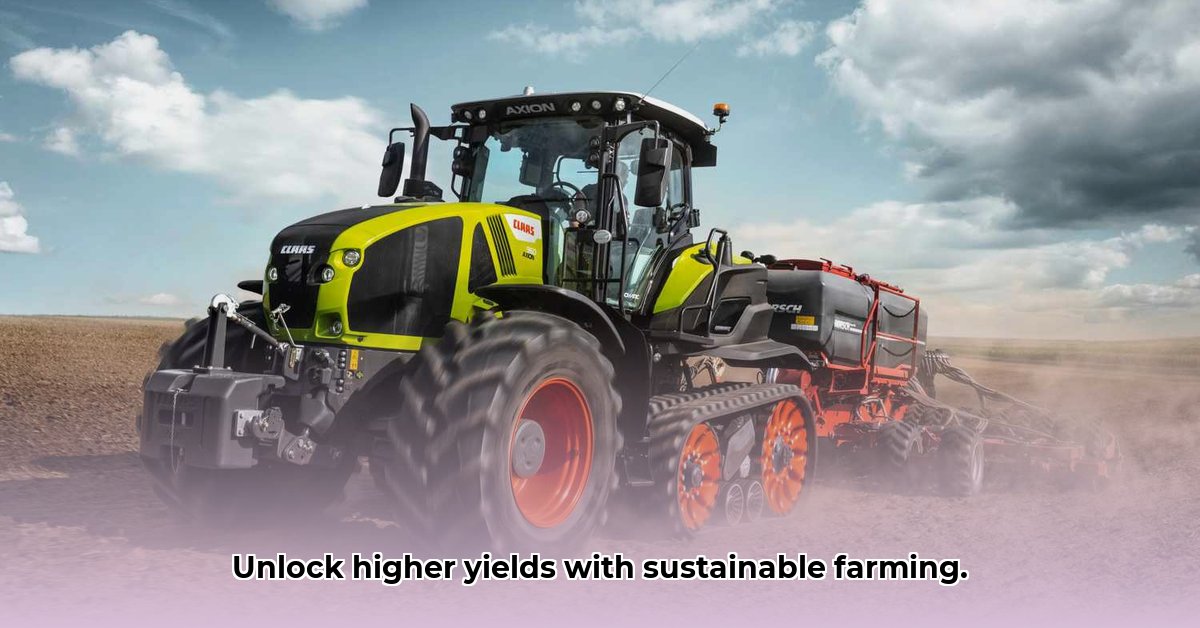
Tractor Class: Optimizing Equipment for Sustainable Practices
Sustainable agriculture demands efficient and environmentally responsible equipment choices. Tractor selection is paramount, impacting both yield and environmental impact. This guide clarifies tractor classes and their role in sustainable farming, offering actionable advice for farmers. Understanding tractor classes goes beyond horsepower; it encompasses design, intended use, and overall capabilities. Choosing the right tractor minimizes fuel consumption and soil compaction, crucial for environmental responsibility. For more information on sustainable farming practices, check out this helpful resource: Forage and Oats.
Understanding Tractor Classes: Beyond Horsepower
Tractor classes reflect design and capabilities. A compact tractor suits small farms, while large machines are vital for extensive commercial operations. We classify tractors by horsepower, typical tasks, and specialized features. Selecting a size appropriate for the tasks at hand is key to minimizing both fuel use and environmental impact. How can you determine your needs? Consider your farm's unique demands and goals. A wrong choice leads to inefficiencies, including wasted fuel and excessive soil compaction.
Matching Tractor Class to Farming System
Selecting the right tractor involves careful consideration. A large, high-powered tractor is ideal for large-scale farming operations. However, using such a machine for smaller plots is an inefficient allocation of resources. Specialized tractors are available for unique environment such as vineyards or orchards. Matching your operation’s size and task needs to the tractor’s capabilities ensures optimal efficiency and minimizes environmental impact.
Fuel Efficiency and Emissions: A Cornerstone of Sustainability
Fuel efficiency is paramount in sustainable agriculture. While modern tractors are significantly more efficient than older models, tractor class influences fuel consumption. Larger tractors typically consume more fuel, increasing operating costs and carbon footprint. However, within each class, fuel-efficient models exist. Focus on features like smart transmissions and engine management systems designed to maximize fuel efficiency and minimize emissions. These technologies greatly reduce resource consumption and greenhouse gas emissions. How can you find the optimal model? Examine specifications and operational data from manufacturers, and look for independent reviews.
Precision Farming and Tractor Technology: Maximizing Efficiency
Precision farming techniques, such as GPS guidance and variable rate technology, enhance efficiency and minimize environmental harm. Many modern tractors, regardless of class, are compatible with these systems. These technologies ensure targeted input applications, minimizing waste and maximizing resource utilization. Larger tractors might require higher initial investments to integrate such systems.
Pivotal Points for Sustainable Farming
- Data-Driven Decision Making: Utilizing soil sensors and yield monitors significantly improves resource allocation and optimizes yields.
- Integrated Pest Management (IPM): IPM strategies minimize reliance on chemical pesticides, protecting crops and the environment.
- Exploring Alternative Fuels: Research into biofuels and hydrogen offers promising pathways to reduce reliance on fossil fuels.
These strategies, combined with sound tractor selection, create a holistic approach to environmentally responsible farming.
Choosing the Right Tractor Class: A Summary
| Tractor Class | Typical Horsepower Range | Ideal Uses | Key Considerations |
|---|---|---|---|
| Compact/Sub-Compact | <40 hp | Small farms, hobby farms, landscaping | Maneuverability, user-friendliness |
| Utility | 40-100 hp | Diverse tasks (hauling, tillage, small fields) | Versatility, fuel efficiency |
| Row-Crop | 100-250+ hp | Large-scale row crop farming | High power, efficiency, specialized attachments |
| High-Horsepower | 250+ hp | Very large-scale operations, specialized tasks | Massive power, high investment, very large fields |
The ideal tractor class depends on your farm’s unique needs and sustainability goals. Consider total farm operations rather than focusing solely on horsepower.
Minimizing the Environmental Impact of Tractor Use
Understanding Tractor Classes and Their Environmental Footprint
Tractor class directly affects fuel consumption and soil compaction. Smaller, specialized tractors are often better suited for environmentally sensitive operations, minimizing soil disturbance. Selecting a tractor that aligns with your operational needs and environmental goals is a crucial step towards sustainability.
Precision Agriculture: Optimizing Resource Utilization
Precision agriculture, enabled by GPS-guided tractors and variable-rate technology, optimizes resource application (fertilizers, pesticides, water). This reduces waste, minimizes chemical runoff, and protects water resources, resulting in substantial environmental benefits. By targeting resources precisely where they are needed, we minimize waste and improve efficiency.
Sustainable Fuels: Exploring Alternatives
Biofuels and hydrogen fuel cells offer promising alternatives to traditional diesel fuel. While these present environmental advantages, challenges remain in terms of availability, cost-effectiveness, and lifecycle analysis. Further research and development are necessary to address these issues and encourage wider adoption.
Actionable Steps for Sustainable Tractor Operation
- Optimize Tractor Maintenance: Regular servicing improves fuel efficiency and reduces emissions.
- Adopt Conservation Tillage: Minimize soil disturbance to improve soil health and reduce erosion.
- Implement Precision Agriculture Techniques: Invest in GPS-guided machinery to optimize resource use.
- Explore Alternative Fuels: Investigate the feasibility of biofuels or other sustainable options.
- Continuous Learning: Stay informed about the latest technologies and sustainable farming practices.
The Future of Sustainable Tractors
The pursuit of sustainable farming necessitates continuous innovation. Future development areas include enhanced battery technology for electric tractors, improved data analytics for precise resource management, and reduced environmental impact of tractor manufacturing and disposal. The future of sustainable farming relies on our commitment to innovation and responsible resource management.